Romco Demolition · Miami-Dade County
Miami-Dade demolition, with the DERM notice and the permit sorted first
In Miami-Dade, the asbestos notice reaches DERM ten working days before demolition can start, and the building permit comes from whichever of 34 cities, or the county, holds the folio. Romco Builders lines those up, then quotes the work. Any type, any size.
- A licensed Florida general contractor
- Every type of demolition, any size quoted
- We file the permit as contractor of record
- Licensed asbestos firms coordinated by us
The real schedule
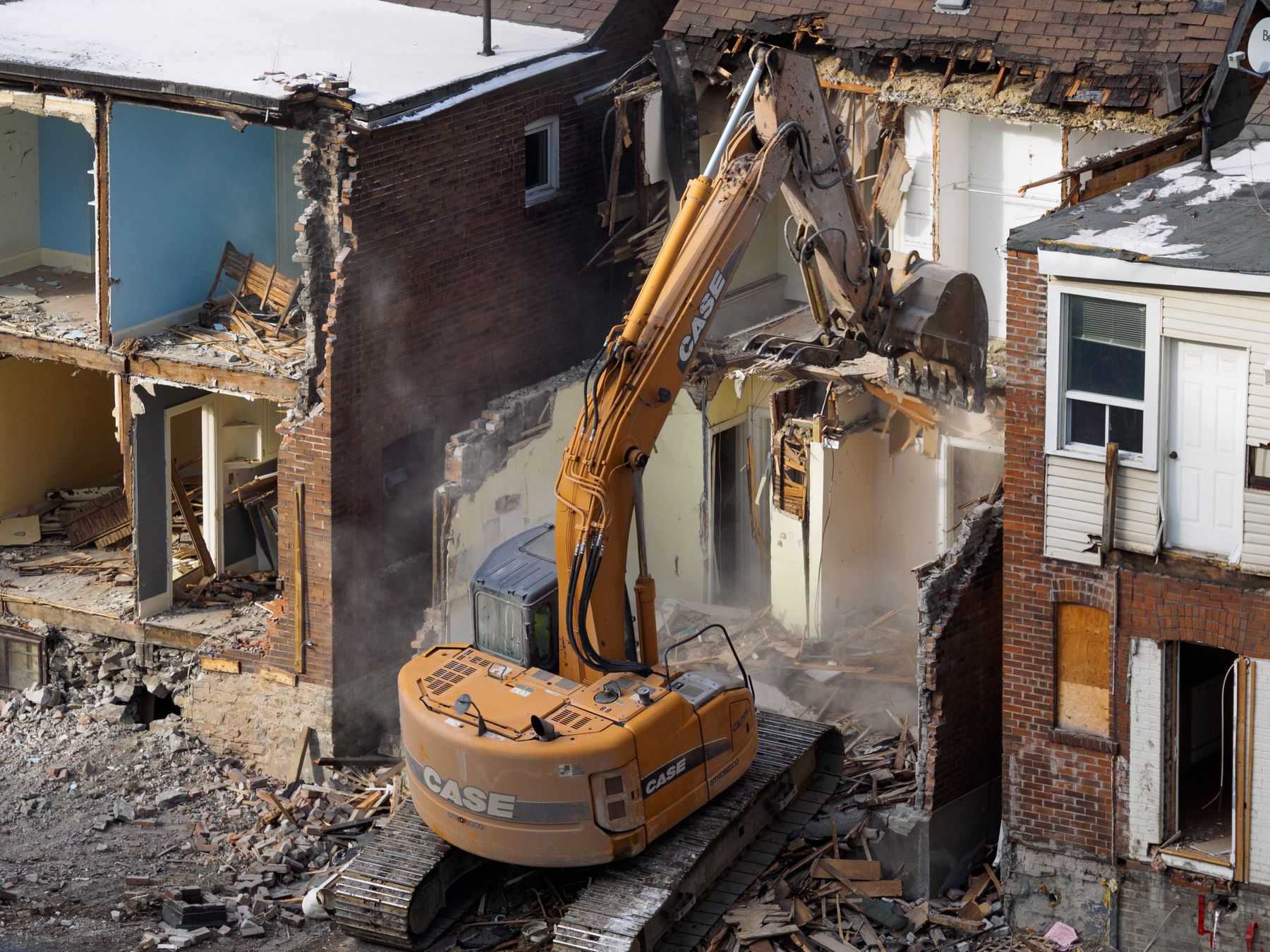
Knocking it down is the short part
Here the risk sits in the file and in the ground: a county asbestos rule that covers every demolition, a water table a few feet down in limestone, and a city line that decides who reviews the permit.
An asbestos survey on every job
Miami-Dade asks for an asbestos survey on all demolition projects, houses included. We arrange a licensed survey early, and a licensed abatement firm handles anything it finds.
The right office for the folio
A folio that starts with 30 is unincorporated and goes to the county's Regulatory and Economic Resources department. Anything else goes to a city. Filing in the wrong place costs weeks.
Water a few feet under the slab
The Biscayne aquifer is porous limestone close to the surface almost everywhere in the county. Pulling footings, pools or seawall anchors can open a hole that fills, which is why Romco keeps dewatering and Support of Excavation in-house.
Neighbors who share the wall
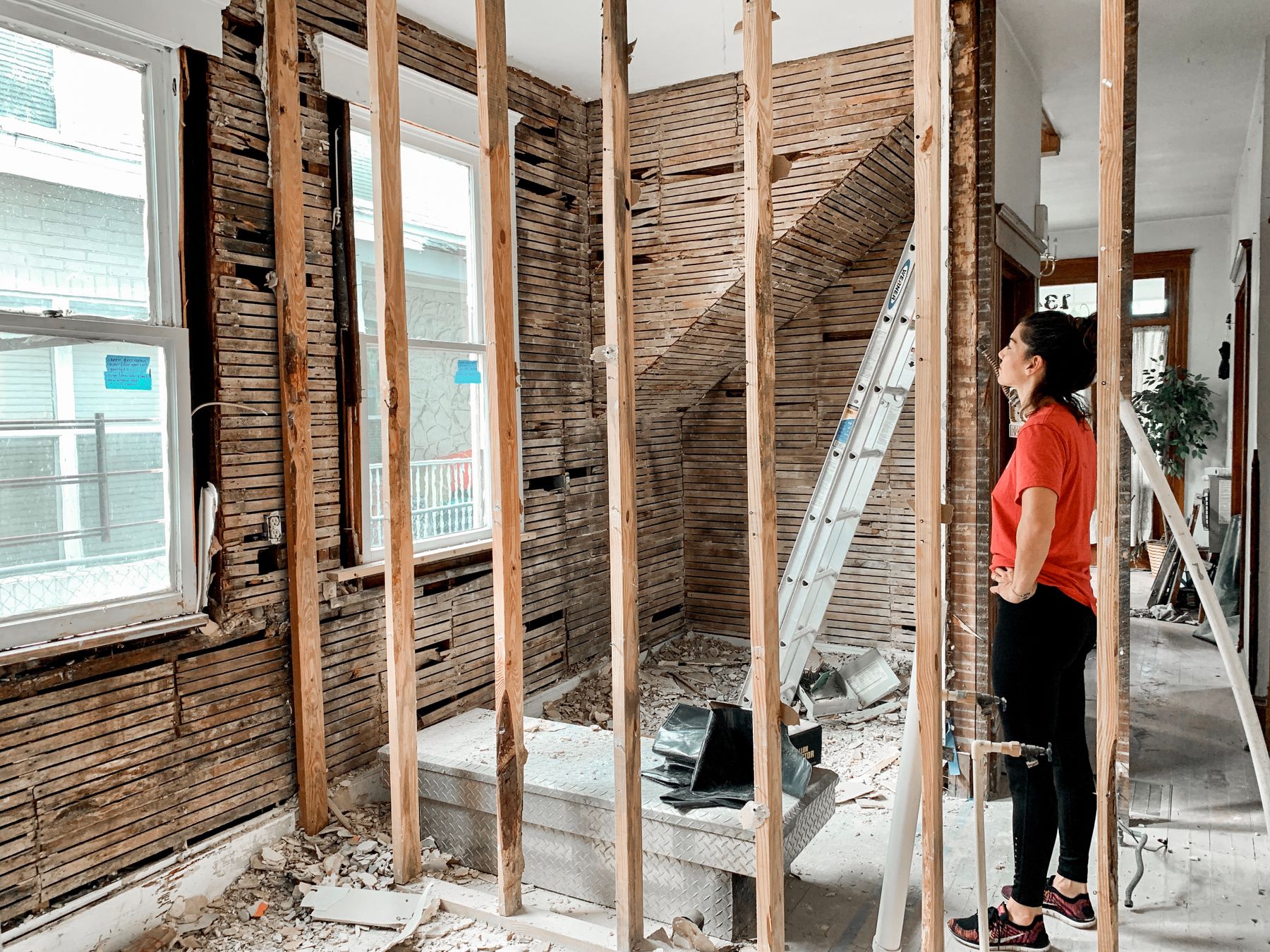
Townhouses, duplexes, condo stacks and zero-lot-line shops are common here. Selective work starts by deciding what stays, and protecting it before anything is cut.
Work we quote
Demolition of every kind, for example
A single bathroom in a Brickell condo or a block of warehouses near the airport. If your job is not on this list, call and tell us about it.
- Interior demolitionCondo units, offices and retail space taken back to the shell, in the right order.Interior demolition in Miami-Dade →
- Selective demolitionRemove one part of a building and keep the rest standing and in service.Selective demolition in Miami-Dade →
- Commercial demolitionWhole commercial buildings down to grade, with DERM and the permit file in order.Commercial demolition in Miami-Dade →
- House demolitionA full teardown of a single-family home, from permit to a graded lot.House demolition in Miami-Dade →
- Structural demolitionUnsafe or failed structures taken down under an engineer's plan and the county's order.Structural demolition in Miami-Dade →
- Concrete removalSlabs, driveways, footings and hardscape broken out, hauled and graded.Concrete removal in Miami-Dade →
- Pool removalIn-ground pools filled in or removed, with groundwater and backfill planned.Pool removal in Miami-Dade →
- Mobile home demolitionManufactured and mobile homes taken down and hauled, additions and pads included.Mobile home demolition in Miami-Dade →
- Storm damage demolitionHurricane- and flood-damaged structures taken down or opened up for repair.Storm damage demolition in Miami-Dade →
- Site clearingLots cleared of structures, slabs, debris and brush, with tree permits in order.Site clearing in Miami-Dade →
- Asbestos coordinationLicensed asbestos survey, abatement and the DERM notice, arranged in order.Asbestos coordination in Miami-Dade →
- Accessory structure demolitionDetached garages, sheds, carports, screen rooms and guest houses removed.Accessory structure demolition in Miami-Dade →
- Something else?Your job is not listed? We still quote it. Call and walk us through it.Call (305) 760-9827 →
From first call to final
The order a Miami-Dade job follows
Call or send the request
Give us the address, photos or plans if you have them, and a plain account of what goes and what remains.
Site visit
We check how the building is framed, where the services enter, how trucks and machines get in, and what stands on either side.
Scope and quote in writing
You get a written scope listing removals, protections and haul-off, with any item that hangs on the asbestos survey called out.
Survey, notice and permit
A licensed asbestos survey, the DERM notice where it applies, the utility disconnects, then the permit from the city or the county.
Take-down and hauling
Work runs in the agreed sequence. Loads go to permitted facilities, and we keep the tickets.
Final and closeout
The inspector signs off the permit. You are left with a clean lot, or the shell you asked us to keep.
City by city
34 cities, plus the county, each with its own rules
Historic boards, fence permits, coastal lines and post-Andrew housing all change by city. Start with the one that holds your property.
- Demolition in Miami
- Demolition in Miami Beach
- Demolition in Hialeah
- Demolition in Coral Gables
- Demolition in Doral
- Demolition in Homestead
- Demolition in Miami Gardens
- Demolition in North Miami
- Demolition in North Miami Beach
- Demolition in Aventura
- Demolition in Sunny Isles Beach
- Demolition in Surfside
- Demolition in Bal Harbour
- Demolition in Key Biscayne
- Demolition in Pinecrest
- Demolition in Palmetto Bay
- Demolition in Cutler Bay
- Demolition in South Miami
- Demolition in Miami Lakes
- Demolition in Miami Springs
- Demolition in Florida City
- Demolition in Sweetwater
- Demolition in Kendall
Questions
Questions owners ask first
How much will my demolition cost?
We quote each job after seeing it, in person or through photos and plans when they show enough. The figure moves with the construction type, the floor area and height, the asbestos survey result, the utilities to be cut off, how machines reach the work, what stands next door, what must be kept, and how far the loads travel. A 1950s concrete block house and a 1990s frame addition can sit on the same street and quote very differently, which is why we publish no rates.
Is there a minimum or maximum job size?
No. A single partition wall, a shed, a pool deck or a full apartment building can all be quoted, and so can partial work where most of the structure remains. Describe what is there and what needs to survive, and the quote follows that scope.
Does a Miami-Dade demolition need a permit?
For a building or any structural part of one, plan on it. The office depends on the folio number: one starting with 30 is unincorporated and handled by the county's Department of Regulatory and Economic Resources, and anything else goes to the city that holds it. When Romco is hired, we file as contractor of record and book the inspections through to final. Confirm the current checklist with the office for your folio.
Why does Miami-Dade want an asbestos survey even for a house?
The county's own demolition requirements call for an asbestos survey on every demolition project, which is stricter than the federal rule for some small homes. A notice of demolition also goes to DERM, the county's environmental resources office, no later than ten working days ahead of the start date. The building permit is a different document and cannot stand in for it. We arrange a licensed survey, and a licensed abatement firm removes anything the work would disturb. Romco coordinates both and is not an abatement contractor.
How long does it take to get from first call to a cleared site?
We will not guess before the facts are known. The answer depends on the plan review queue at your city or the county, how fast the utilities issue their disconnect letters, what the survey turns up and the notice period that follows, any historic or condo board approval, and how big the building is and what it is built from. When we know those, you get a sequence that names what each step waits on.
Is Romco a licensed contractor?
Yes. Romco Builders is a licensed Florida general contractor based in Fort Lauderdale. Trades that need their own license, such as asbestos abatement, electrical and plumbing disconnects, mold remediation or tree removal, are done by firms holding that license, and we run them on one schedule.
Which utilities have to be shut off before demolition?
Usually electric, water, sewer and gas, each by the party that owns it. City checklists in Miami-Dade commonly ask for proof: an FPL disconnect letter, a water meter disconnect from the water provider, a gas disconnect letter, and a plumbing permit to cap the sewer or abandon a septic tank under the state septic abandonment rule (62-6.011). We request the letters and file once the set is complete.
Where does the debris go?
Loads go to permitted construction and demolition facilities, which the state Department of Environmental Protection regulates. Concrete and scrap metal are normally kept apart from the rest of the load where the receiving facility takes them. Any asbestos waste leaves separately with the abatement firm. Hauling and disposal appear as their own line in the quote.
Do you work everywhere in Miami-Dade County?
Yes, in all 34 cities and the unincorporated areas, from Golden Beach and Aventura south to Homestead and Florida City. Our office is in Fort Lauderdale. We work to the checklist of whichever building department holds your folio, and the city pages on this site show who that is.
Can you demolish part of a building while people still use the rest?
Often, if the sequence is set first. In a condo or an occupied office that means engineer-designed shoring where structure comes out, dust and debris barriers between the work and the occupied space, and work hours agreed with the owner or the association. In a condo unit, a larger interior demolition can also need county environmental review before the permit, so we check that early.
Request a quote
Tell us the address and what comes out
Send photos or plans if you have them. A phone call works just as well. (305) 760-9827.
Every type, every size, all of Miami-Dade
Tell us what is coming down. We will put a quote on it.
Romco Builders is a licensed Florida general contractor, headquartered in Fort Lauderdale. A single interior partition or a complete building gets the same thing: a written scope and a quote.